
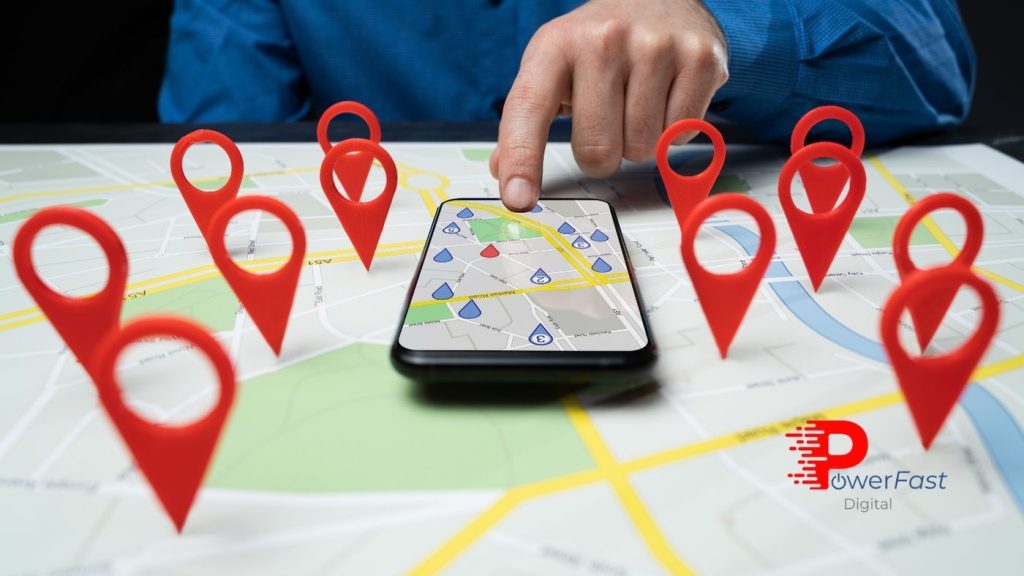
If you’re a local business owner, you’ve probably experienced this frustrating scenario: You search for your own business category plus “near me” on Google, and your competitors appear in those coveted top spots while you’re buried on page two—or worse, nowhere to be found. Meanwhile, potential customers are driving right past your business to visit competitors they discovered through local search.
Here’s the reality that should both concern and excite you: 88% of consumers who do a local search on their smartphone visit or call a store within 24 hours. That’s not a typo. Nearly nine out of ten people searching for local businesses are ready to become customers today. The question is whether they’ll find your business or your competitor’s.
Local SEO isn’t just another marketing buzzword—it’s the difference between thriving and merely surviving for businesses that depend on customers in their geographic area. Whether you run a restaurant, law firm, dental practice, retail store, or any other location-based business, mastering local SEO strategies means you control who finds you when it matters most.
In this comprehensive guide, I’ll walk you through exactly how to dominate local search results in your area, from optimizing your Google Business Profile to building local citations that establish your authority. These aren’t theoretical concepts—these are proven strategies that drive real customers through your door.
Why Local SEO Matters More Than Ever in 2026
Let’s start with why local SEO deserves your immediate attention. The local search landscape has transformed dramatically, and the businesses that understand these changes are capturing an outsized share of local customers.
The mobile revolution has made local search the default. According to Google’s research, “near me” searches have increased by over 900% in recent years, and this trend shows no signs of slowing. When someone searches for “plumber near me” or “best Italian restaurant nearby,” they’re typically ready to make a decision within hours, not days.
Google has evolved to prioritize local results. The local “map pack”—those three business listings that appear with a map at the top of search results—receives significantly more clicks than traditional organic results below them. If you’re not in that map pack, you’re invisible to most searchers.
Your competitors are investing in local SEO. The businesses dominating local search in your area didn’t get there by accident. They’ve implemented strategic local SEO tactics, and every day you delay is another day of lost customers and revenue.
The good news? Most small businesses still handle local SEO poorly or ignore it entirely. This creates a massive opportunity for businesses willing to implement the right strategies consistently.
Understanding How Google Determines Local Rankings
Before diving into tactics, it’s crucial to understand what Google considers when ranking local businesses. Google evaluates three primary factors for local search rankings, and knowing these helps you prioritize your efforts effectively.
Relevance measures how well your business matches what the searcher is looking for. This encompasses everything from your business category and description to the content on your website and the keywords you’re targeting.
Distance considers how far your business is from the searcher’s location or the geographic area they specified in their search. While you can’t change your physical location, you can optimize for specific service areas and neighborhoods.
Prominence evaluates how well-known and authoritative your business is, both online and offline. This includes factors like reviews, citations across the web, your website’s overall SEO strength, and even your offline reputation in the community.
Understanding these three pillars—relevance, distance, and prominence—gives you a framework for every local SEO decision you make. Every optimization should strengthen at least one of these factors.
Mastering Your Google Business Profile: The Foundation of Local SEO
Your Google Business Profile (formerly Google My Business) is absolutely the most important element of local SEO. This free tool from Google is what populates the map pack and local search results, making it your most valuable local marketing asset.
Claim and Verify Your Profile Immediately
If you haven’t claimed your Google Business Profile yet, this is your starting point—do it today. Visit Google Business Profile and search for your business. If it already exists (Google often creates profiles automatically), claim it. If it doesn’t exist, create it. Google will verify your business through a postcard sent to your physical address, phone call, or email depending on your business type.
Complete Every Single Section Thoroughly
Google rewards complete profiles with better visibility. Don’t leave anything blank. Here’s what you need to optimize:
Business Name: Use your actual business name exactly as it appears everywhere else online. Don’t stuff keywords here—Google penalizes this practice.
Categories: Choose your primary category carefully—it’s the most important relevance signal. Select the most specific category that describes what you do, then add relevant secondary categories. A pizza restaurant should choose “Pizza Restaurant” as primary, not just “Restaurant.”
Business Description: This is your opportunity to describe what makes your business unique and include relevant local keywords naturally. Write for humans first, search engines second.
Services and Products: List everything you offer with detailed descriptions. This helps Google match you to relevant searches and provides valuable information to potential customers.
Attributes: Select all applicable attributes (women-led, veteran-owned, wheelchair accessible, etc.). These help customers find businesses that meet their specific needs.
Business Hours: Keep these accurate and update them for holidays. Nothing frustrates customers more than showing up to a closed business Google said was open.
Optimize Your Photos for Maximum Impact
Visual content dramatically impacts local search performance. Businesses with photos receive 42% more requests for directions and 35% more click-throughs to their websites according to Google’s data.
Upload high-quality photos regularly:
- Professional exterior photos showing your storefront and signage
- Interior photos that showcase your space and atmosphere
- Product and service photos demonstrating what you offer
- Team photos that humanize your business
- Before-and-after photos for service businesses
Aim to add new photos at least monthly. Fresh visual content signals that your business is active and well-maintained.
Collect and Respond to Reviews Consistently
Reviews are arguably the most powerful local ranking factor. Businesses with more reviews, higher ratings, and recent feedback consistently rank better in local search results.
Ask satisfied customers for reviews. Don’t be shy about this—most happy customers are willing to leave a review if asked. Make it easy by sending them a direct link to your Google review page.
Respond to every review, positive and negative. This demonstrates that you value customer feedback and stay engaged with your customers. Thank positive reviewers by name and address negative reviews professionally, offering to resolve issues offline.
Never buy fake reviews or incentivize reviews improperly. Google is sophisticated at detecting review manipulation and will penalize your profile. Authenticity always wins long-term.
Use Google Posts for Ongoing Engagement
Google Posts let you share updates, offers, events, and content directly in your Business Profile. These appear in your knowledge panel and can include calls-to-action that drive specific customer actions.
Post regularly—weekly at minimum—with:
- Special promotions and seasonal offers
- New products or services
- Upcoming events
- Business updates and announcements
- Helpful tips related to your industry
Each post should include relevant keywords naturally and a clear call-to-action that moves customers toward conversion.
Building Local Citations That Establish Authority
Local citations are online mentions of your business name, address, and phone number (NAP) across the web. These citations tell Google that your business is legitimate, established, and trustworthy—all factors that improve local rankings.
Ensure NAP Consistency Everywhere
The single most important rule for local citations: your business name, address, and phone number must be exactly identical across every online listing. Even minor variations confuse Google and dilute your local SEO impact.
If your business address is “123 Main Street,” don’t write “123 Main St.” on some listings and the full spelling on others. If your phone number includes parentheses and hyphens, use the same formatting everywhere. Consistency signals legitimacy.
Submit to Essential Citation Sources
Start with the major citation platforms that matter most:
Core Business Directories:
- Yelp
- Yellow Pages
- Better Business Bureau
- Bing Places
- Apple Maps
Industry-Specific Directories: Find and list your business on directories relevant to your specific industry. Restaurants should be on TripAdvisor and OpenTable. Contractors should be on Angi and HomeAdvisor. Research which directories matter most in your field.
Local Directories: Don’t overlook local chamber of commerce websites, community business directories, and local news site business listings. These highly relevant local citations carry significant weight.
BrightLocal’s research shows that citation quality and consistency remain strong local ranking factors, making this foundational work well worth the time investment.
Monitor and Fix Citation Issues
Use tools like Moz Local, BrightLocal, or Whitespark to audit your existing citations. You’ll likely discover:
- Duplicate listings that need consolidation
- Incorrect information that needs updating
- Missing listings on important directories
- Inconsistent NAP information across platforms
Cleaning up these issues systematically improves your local SEO foundation and prevents Google from receiving conflicting signals about your business.
Optimizing Your Website for Local Search
While your Google Business Profile is crucial, your website remains the hub of your online presence. Optimizing your site for local search ensures you capture both map pack traffic and traditional organic search traffic.
Create Location-Specific Content
If you serve multiple locations, create dedicated pages for each geographic area. These location pages should include:
- The specific city or neighborhood name in the title tag and H1 heading
- Unique content describing your services in that area (don’t duplicate content across location pages)
- Local landmarks, neighborhoods, and area-specific information
- Embedded Google maps showing your location or service area
- Local customer testimonials and case studies
- Location-specific contact information
For businesses with a single location, incorporate local keywords naturally throughout your content, especially on your homepage, about page, and service pages.
Implement Local Schema Markup
Schema markup is structured data that helps search engines understand your content better. Local business schema tells Google exactly what your business does, where it’s located, and how to contact you.
Implement LocalBusiness schema (or relevant variations like Restaurant, LegalService, etc.) on your homepage and contact page. This code includes your business name, address, phone number, hours, and other relevant details in a format Google easily reads.
Google’s Structured Data Testing Tool lets you verify your schema markup is implemented correctly.
Optimize for “Near Me” and Local Keywords
Research and target local keyword variations that your customers actually use:
- “[Service] near me”
- “[Service] in [City]”
- “Best [Service] [City]”
- “[Service] [Neighborhood]”
- “[City] [Service] company”
Use these naturally in your page titles, headings, content, and meta descriptions. But remember—write for humans first. Keyword-stuffed content that reads unnaturally will hurt rather than help your rankings.
Make Mobile User Experience a Priority
Since most local searches happen on mobile devices, your website must deliver an exceptional mobile experience. Google uses mobile-first indexing, meaning it evaluates your mobile site when determining rankings.
Ensure your site:
- Loads quickly on mobile devices (aim for under 3 seconds)
- Uses responsive design that adapts to any screen size
- Has click-to-call buttons prominently displayed
- Makes it easy to find your address and get directions
- Simplifies forms and conversion actions for small screens
Use Google’s PageSpeed Insights to identify and fix mobile performance issues that could be hurting your local search visibility.
Creating Local Content That Attracts and Engages
Content marketing supercharges local SEO by establishing your expertise, building relevance for local keywords, and creating opportunities for local links and social shares.
Develop a Local Blog Strategy
Regular blog content targeting local topics and keywords compounds over time, driving increasing traffic from local search. Focus on content that serves your local audience:
- Local event guides and community news
- Neighborhood spotlights and area guides
- Local customer success stories and case studies
- Location-specific how-to guides
- Local industry news and trends
Each piece of local content should target relevant local keywords and include internal links to your service and location pages.
Partner with Local Organizations and Businesses
Building relationships with other local entities creates content opportunities and valuable local backlinks:
- Sponsor local events, sports teams, or charity organizations
- Collaborate on content with complementary (non-competing) local businesses
- Participate in community initiatives and document your involvement
- Join local business associations and chambers of commerce
These activities generate local press, backlinks from local websites, and social media mentions—all powerful local SEO signals.
Leverage Local PR and Media Opportunities
Local news coverage provides highly authoritative local backlinks while increasing brand awareness. Position yourself as a local expert by:
- Offering expert commentary on local business or industry news
- Pitching unique local stories or business milestones to local media
- Writing guest articles for local publications
- Participating in local business podcasts or video interviews
Each piece of local media coverage strengthens your local prominence and often includes valuable backlinks to your website.
Measuring and Improving Your Local SEO Performance
What gets measured gets managed. Track your local SEO performance consistently so you can identify what’s working and where you need to improve.
Key Metrics to Monitor Monthly
Google Business Profile Insights: Track views, searches (direct and discovery), direction requests, phone calls, and website clicks. Increasing trends indicate improving local visibility.
Local Search Rankings: Monitor your rankings for target local keywords using tools like BrightLocal, Whitespark, or SEMrush. Track both map pack and organic local rankings.
Website Traffic from Local Search: Use Google Analytics to identify traffic from local search queries and geographic locations you’re targeting.
Review Velocity and Rating: Track new review volume and average rating trends. Consistent positive reviews correlate strongly with ranking improvements.
Citation Growth: Monitor the number and quality of your citations across the web, watching for both new citations and citation accuracy issues.
Continuous Optimization for Long-Term Success
Local SEO isn’t a one-time project—it’s an ongoing process. The businesses that dominate local search are those that consistently implement optimization activities:
Monthly:
- Add new Google Posts
- Upload fresh photos to your Business Profile
- Request reviews from recent customers
- Create new local content for your website
- Monitor and respond to all reviews
Quarterly:
- Conduct a citation audit and fix any issues
- Review and update location page content
- Analyze competitor local SEO strategies
- Refresh outdated website content with new information
Annually:
- Comprehensive local SEO audit
- Update business categories and attributes
- Evaluate and adjust local keyword targeting
- Review overall local marketing strategy
Your Local SEO Advantage Starts Today
Dominating local search results in your area isn’t about implementing complicated technical tricks or spending huge marketing budgets. It’s about consistently executing fundamental local SEO strategies that establish your relevance, proximity, and prominence to Google and potential customers.
Start with your Google Business Profile—claim it, complete it thoroughly, and commit to maintaining it with fresh content, photos, and review responses. Build consistent local citations across the web that reinforce your legitimacy. Optimize your website for local keywords and mobile users who are actively searching for businesses like yours.
Most importantly, remember that local SEO is a marathon, not a sprint. The businesses ranking at the top of local search results got there through months and years of consistent optimization. But here’s the exciting part: you can see meaningful improvements in weeks, not months, if you implement these strategies systematically.
Every day you delay optimizing for local search is another day potential customers can’t find you—another day they’re choosing your competitors instead. The opportunity is enormous, and the time to act is now.
Need help implementing a comprehensive local SEO strategy that actually drives customers to your business? At PowerFast Digital, we specialize in helping small businesses dominate their local markets through proven local SEO strategies and ongoing optimization. Schedule a complimentary strategy session at calendly.com/chris-powerfast to discover how we can help you capture more local customers searching for businesses like yours right now.
Your competitors are already investing in local SEO. The question is whether you’ll join them or let them continue capturing the customers who should be yours.
What local SEO challenges are you facing in your business? Contact us, and we’ll provide personalized recommendations for your specific situation.