
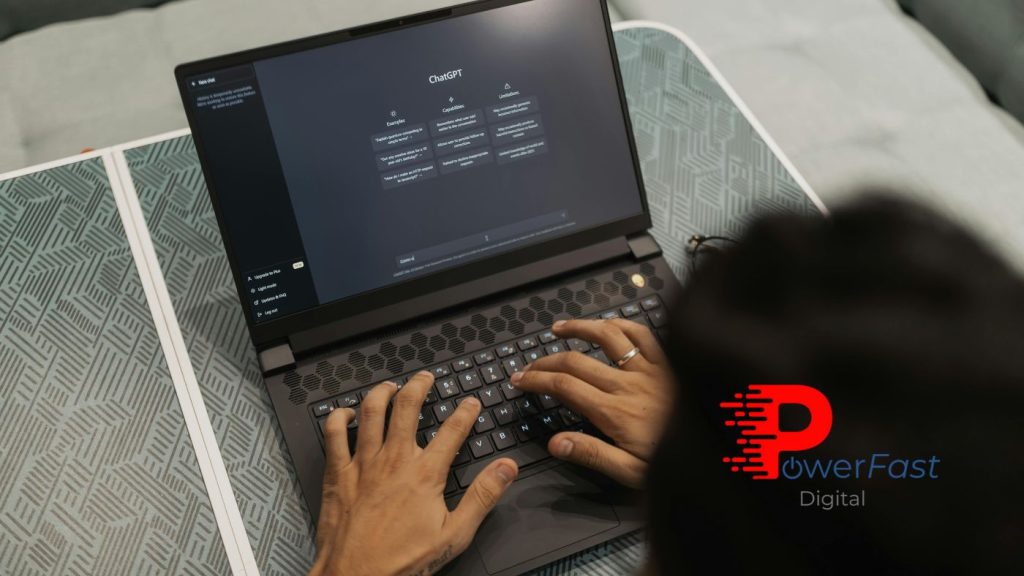
If you’re a small business owner feeling overwhelmed by your daily to-do list, you’re not alone. Between managing customers, handling administrative tasks, creating marketing content, and actually delivering your products or services, there simply aren’t enough hours in the day. That’s where ChatGPT for small business comes in as a game-changing tool that can help you reclaim precious time while improving the quality of your work.
ChatGPT, developed by OpenAI, has quickly become one of the most accessible and powerful AI tools available to entrepreneurs. Unlike expensive enterprise software or complicated automation platforms, ChatGPT is user-friendly, affordable, and incredibly versatile. Whether you’re a solopreneur or managing a small team, understanding how to leverage ChatGPT can dramatically transform how you work.
In this comprehensive guide, I’ll walk you through 10 practical ways to use ChatGPT for small business operations that will save you time, reduce stress, and help you focus on what truly matters—growing your business and serving your customers.
Why ChatGPT Matters for Small Business Owners
Before diving into specific applications, let’s talk about why ChatGPT is particularly valuable for small businesses. According to McKinsey’s research on AI adoption, businesses that implement AI tools see significant productivity gains, with some reporting time savings of 30-50% on routine tasks.
For small business owners who wear multiple hats, this time savings isn’t just convenient—it’s transformative. Every hour you save on administrative work is an hour you can spend on strategic planning, customer relationships, or product development. ChatGPT acts as a virtual assistant that’s available 24/7, never takes a vacation, and costs a fraction of what you’d pay for human support.
1. Draft and Refine Business Emails in Minutes
Email communication consumes a substantial portion of most entrepreneurs’ days. Whether you’re responding to customer inquiries, following up with leads, or coordinating with vendors, ChatGPT for small business email management can cut your email time in half.
How to use it: Instead of staring at a blank screen trying to craft the perfect message, give ChatGPT the context and let it create a professional draft. You can ask it to adjust the tone (formal, friendly, apologetic), length, and specific details.
Example prompt: “Draft a professional email to a potential client explaining that we need to reschedule our meeting scheduled for Thursday. Keep it friendly and apologetic, and offer two alternative times next week.”
The beauty here is that ChatGPT creates a foundation you can personalize in seconds rather than minutes. Over a week, this can save you several hours that compound into days over a year.
2. Create Social Media Content That Engages
Social media marketing is essential but incredibly time-consuming. Between brainstorming content ideas, writing captions, and adapting messages for different platforms, social media can easily consume hours each week. ChatGPT for small business social media management streamlines this entire process.
How to use it: Describe your business, your target audience, and the message you want to convey. ChatGPT can generate platform-specific content, including relevant hashtags and calls-to-action.
Example prompt: “Create 5 LinkedIn post ideas for a digital marketing agency that helps small businesses improve their online presence. Include engaging hooks and relevant hashtags for each post.”
You can even have ChatGPT repurpose the same core message across different platforms. As noted by Hootsuite’s social media trends report, businesses that post consistently see 3x higher engagement rates, and ChatGPT makes consistency achievable even with limited time.
3. Generate Blog Topics and Outline Content Quickly
Content marketing builds authority and drives organic traffic, but creating regular blog content feels overwhelming for time-strapped entrepreneurs. ChatGPT can accelerate your content creation process from ideation through outlining.
How to use it: Ask ChatGPT to generate topic ideas based on your industry, target keywords, or customer questions. Then have it create detailed outlines that you can expand into complete articles.
Example prompt: “Generate 10 blog post ideas for a local plumbing business that would help homeowners and attract local search traffic. Focus on common problems and seasonal issues.”
While ChatGPT-generated content should always be reviewed and personalized with your expertise and voice, having that initial framework saves enormous time. Research from the Content Marketing Institute shows that businesses blogging consistently generate 67% more leads than those that don’t—ChatGPT makes that consistency possible.
4. Develop Customer Service Response Templates
Excellent customer service differentiates small businesses from larger competitors, but responding to common questions repeatedly is inefficient. ChatGPT for small business customer service helps you maintain quality while saving time.
How to use it: Identify your most frequently asked questions and have ChatGPT create comprehensive, friendly response templates. You can then personalize these templates with specific customer details in seconds.
Example prompt: “Create a customer service response template for customers asking about our return policy. The policy is 30 days with receipt, products must be unused. Keep it friendly and helpful, and include next steps.”
This approach ensures consistency in your customer communications while allowing your team to handle inquiries faster. You’re maintaining the personal touch that customers value while eliminating repetitive work.
5. Research Competitors and Market Trends
Understanding your competitive landscape is crucial but research is time-intensive. While ChatGPT doesn’t browse the web in real-time (unless using specific plugins), it can help you organize your research process and analyze information you’ve gathered.
How to use it: Use ChatGPT to create research frameworks, analyze competitor strategies you’ve observed, or identify market trends based on industry information you provide.
Example prompt: “I’ve noticed three competitors offering bundled services at discounted rates. Help me analyze the pros and cons of this pricing strategy for my business and suggest alternative competitive approaches.”
ChatGPT acts as a strategic thinking partner, helping you process information faster and consider angles you might miss on your own. According to Harvard Business Review’s research on competitive intelligence, small businesses that regularly analyze competitors make more informed strategic decisions.
6. Create Product Descriptions That Convert
Whether you sell physical products, services, or digital offerings, compelling descriptions are essential for conversions. ChatGPT for small business product marketing can transform bland descriptions into persuasive copy.
How to use it: Provide ChatGPT with basic product features and your target audience, then ask it to create benefit-focused descriptions that address customer pain points.
Example prompt: “Write a product description for ergonomic office chairs we sell to small business owners who work from home. Focus on health benefits, productivity improvements, and quality construction. Target audience is entrepreneurs aged 30-50.”
The AI can generate multiple variations, allowing you to A/B test different approaches. Since product descriptions directly impact conversion rates, even small improvements here can significantly affect your bottom line.
7. Plan and Organize Project Workflows
Project management requires clear planning and organization—skills that don’t always come naturally to creative entrepreneurs. ChatGPT can help structure projects, create timelines, and identify potential bottlenecks.
How to use it: Describe your project goals, available resources, and timeline constraints. Have ChatGPT create a step-by-step action plan with realistic timeframes.
Example prompt: “I need to launch a new website for my consulting business in 8 weeks. I have a limited budget and will handle content myself but will hire a designer. Create a week-by-week project plan with key milestones and tasks.”
This gives you a roadmap to follow rather than feeling overwhelmed by the entire scope. Tools like Asana and Trello are excellent for implementation, but ChatGPT helps with the strategic planning phase.
8. Draft Proposals and Contracts Faster
Creating professional proposals and contracts is necessary but time-consuming, especially when customizing for different clients. ChatGPT for small business legal documents (reviewed by professionals) can accelerate this process dramatically.
How to use it: Provide ChatGPT with the scope of work, deliverables, timeline, and investment amount. It can create a professional proposal structure that you refine with specifics.
Example prompt: “Create a service proposal outline for website design services. Project includes: discovery phase, custom design, development, 3 rounds of revisions, and 30 days post-launch support. Investment is $5,000 with 50% deposit. Client is a local retail business.”
Important note: Always have legal documents reviewed by an attorney before using them. ChatGPT creates drafts and frameworks, not final legal documents.
9. Brainstorm Marketing Campaign Ideas
Creative brainstorming is challenging when you’re mentally exhausted from operational tasks. ChatGPT serves as an always-available creative partner for generating marketing campaign concepts.
How to use it: Share your business goals, target audience, budget parameters, and any seasonal or industry factors. Ask ChatGPT to generate creative campaign concepts.
Example prompt: “Brainstorm 5 creative marketing campaign ideas for a local bakery trying to increase weekday foot traffic. Budget is limited to $500 per campaign. Include both digital and traditional approaches.”
The AI can help you think beyond the obvious, presenting angles and approaches you might not have considered. Even if you don’t use ideas exactly as presented, they spark additional creative thinking.
10. Analyze Data and Generate Business Insights
Data analysis helps make informed decisions, but interpreting numbers and identifying trends takes time and expertise. ChatGPT can help translate data into actionable insights.
How to use it: Share your business metrics, sales data, or customer feedback summary. Ask ChatGPT to identify patterns, suggest interpretations, or recommend next steps.
Example prompt: “My sales data shows: January $12K, February $15K, March $18K, April $14K, May $21K. Most sales come from referrals (60%), website traffic (25%), social media (15%). What trends do you see and what should I focus on to maintain growth?”
While ChatGPT won’t replace sophisticated analytics tools, it helps you understand what your data means and what actions to consider—essentially democratizing data analysis for small business owners without analytical backgrounds.
Getting Started with ChatGPT for Your Small Business
Ready to implement ChatGPT for small business operations? Here’s a practical action plan:
Start with one application: Don’t try to implement all 10 uses at once. Choose the area where you spend the most time currently (probably email or content creation) and focus there first.
Learn effective prompting: The quality of ChatGPT’s output depends heavily on your input. Be specific, provide context, and don’t hesitate to refine prompts until you get useful results. OpenAI’s prompt engineering guide offers excellent tips.
Always review and personalize: ChatGPT creates foundations and drafts, not final products. Add your expertise, brand voice, and personal touch to everything before publishing or sending.
Track your time savings: Document how much time you save on specific tasks. This helps you identify where ChatGPT provides the most value and justifies any subscription cost.
Stay updated on capabilities: AI technology evolves rapidly. What wasn’t possible six months ago might be available now, so stay informed about new features and applications.
The Bottom Line on ChatGPT for Small Business
ChatGPT isn’t about replacing human creativity, expertise, or the personal touch that makes small businesses special. It’s about eliminating time-consuming, repetitive tasks so you can focus on the work that truly requires your unique skills and attention.
Think of ChatGPT as the most versatile, affordable team member you could hire—one that handles routine tasks quickly, never complains, and costs less than a few hours of outsourced work per month. For small business owners operating with limited resources and unlimited demands on their time, this technology represents a genuine competitive advantage.
The businesses that thrive in 2026 and beyond won’t necessarily be the largest or best-funded—they’ll be the ones that work smartest by leveraging tools like ChatGPT to multiply their effectiveness without multiplying their stress.
Ready to take your digital presence to the next level with smart technology and strategic execution? At PowerFast Digital, we help small businesses implement AI tools alongside comprehensive web design, SEO, and content marketing strategies that drive real results. Schedule a complimentary strategy session or Contact Us to discover how we can help your business work smarter, not harder.