
Small Business Social Media Marketing Strategy
In 2026, social media has become the digital heartbeat of small business success. With over 4.8 billion active users worldwide, social platforms offer unprecedented opportunities for small businesses to reach, engage, and convert their ideal customers without the massive budgets traditionally required for marketing campaigns. However, navigating the complex landscape of social media marketing requires more than just posting content randomly and hoping for the best.
A strategic approach to social media marketing can level the playing field, allowing small businesses to compete effectively against larger corporations while building authentic relationships with their target audience. The key lies in developing a comprehensive strategy that aligns with your business goals, resonates with your audience, and maximizes your return on investment.
Understanding Your Social Media Goals and Objectives
Before diving into content creation and platform selection, successful small businesses must first establish clear, measurable goals for their social media efforts. These objectives should align directly with your overall business strategy and provide a roadmap for all future social media activities.

Common social media goals for small businesses include increasing brand awareness, driving website traffic, generating qualified leads, boosting sales, improving customer service, and building community engagement. Each goal requires different tactics and metrics for success. For instance, if your primary objective is lead generation, you’ll focus on creating compelling call-to-action posts and tracking conversion rates rather than simply monitoring likes and shares.
Setting SMART goals (Specific, Measurable, Achievable, Relevant, Time-bound) ensures your social media strategy remains focused and accountable. Instead of aiming to “increase followers,” a SMART goal would be “increase Instagram followers by 25% within three months while maintaining an engagement rate above 3%.”
Platform Selection and Audience Research
Not all social media platforms are created equal, and attempting to maintain a presence on every available platform often leads to diluted efforts and subpar results. Successful small businesses focus their resources on platforms where their target audience is most active and engaged.
Facebook for Community Building
Facebook remains the largest social media platform globally, making it essential for most small businesses. Its sophisticated advertising tools, local business features, and diverse user demographics make it particularly valuable for community-based businesses and those targeting older demographics.
Instagram for Visual Storytelling
Instagram’s visual-first approach makes it ideal for businesses with photogenic products or services. The platform’s shopping features, Stories functionality, and Reels format provide multiple touchpoints for customer engagement and conversion.
LinkedIn for B2B Connections
For businesses targeting other companies or professional services, LinkedIn offers unparalleled access to decision-makers and industry professionals. Its content sharing capabilities and networking features make it essential for B2B social media strategies.
TikTok for Younger Demographics
TikTok’s explosive growth and engagement rates make it increasingly important for businesses targeting younger consumers. Its algorithm-driven discovery system can provide significant organic reach for creative, authentic content.
Thorough audience research helps determine which platforms deserve your attention and resources. Analyze your existing customer demographics, conduct surveys, and study your competitors’ social media presence to make informed platform selection decisions.
Content Strategy and Creation
Content serves as the foundation of your social media marketing strategy, acting as the bridge between your brand and your audience. Effective content strategies balance promotional material with valuable, entertaining, and educational content that builds trust and engagement over time.

The 80/20 rule provides a useful framework for content distribution: 80% of your content should educate, entertain, or inspire your audience, while only 20% should directly promote your products or services. This approach prevents your social media presence from feeling overly salesy while still driving business results.
Content Pillars and Themes
Developing content pillars helps maintain consistency and ensures your social media presence supports your brand identity. Common content pillars include behind-the-scenes glimpses, customer testimonials, industry insights, educational tutorials, and community highlights.
User-generated content represents one of the most powerful forms of social proof available to small businesses. Encouraging customers to share their experiences, create reviews, and tag your business in their posts provides authentic endorsements while reducing your content creation burden.
Visual Consistency and Brand Identity
Visual consistency across all social media platforms reinforces brand recognition and professionalism. Develop a cohesive color palette, typography standards, and imagery style that reflects your brand personality and appeals to your target audience.
Investment in quality visuals pays dividends in engagement and credibility. While professional photography isn’t always necessary, ensuring your images are well-lit, properly composed, and aligned with your brand aesthetic significantly impacts audience perception.
Engagement and Community Management
Social media marketing success extends far beyond publishing content. Active engagement with your audience builds relationships, demonstrates customer service commitment, and humanizes your brand in ways traditional advertising cannot achieve.
Responding promptly to comments, messages, and mentions shows that real people operate your business and value customer interaction. This responsiveness becomes particularly crucial during customer service situations, where public resolution of issues can actually strengthen brand reputation when handled professionally.
Building Authentic Relationships
Authentic engagement involves more than responding to direct interactions with your content. Actively participating in relevant conversations, commenting on customer posts, and engaging with local community content positions your business as a genuine community member rather than just another advertiser.
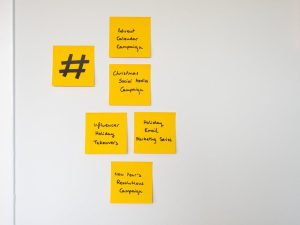
Hashtag strategies help expand your content’s reach while connecting with relevant conversations. Research trending hashtags in your industry, create branded hashtags for campaigns, and mix popular tags with niche-specific ones to optimize discoverability.
Analytics, Measurement, and Optimization
Data-driven decision making separates successful social media strategies from random posting schedules. Social media analytics provide insights into audience behavior, content performance, and campaign effectiveness that guide strategy refinement and resource allocation.

Key performance indicators vary based on your established goals but typically include reach, engagement rate, click-through rate, conversion rate, and return on ad spend. Tracking these metrics consistently helps identify successful content types, optimal posting times, and audience preferences.
A/B Testing and Experimentation
Continuous testing and optimization ensure your social media strategy evolves with changing audience preferences and platform algorithms. Test different content formats, posting schedules, caption styles, and visual approaches to identify what resonates most strongly with your audience.
Monthly strategy reviews help maintain momentum and identify areas for improvement. Analyze top-performing posts, assess goal progress, and adjust tactics based on performance data and industry trends.
Paid Social Media Advertising
While organic social media marketing provides significant value, strategic paid advertising amplifies your reach and accelerates results. Small businesses can leverage social media advertising to compete effectively against larger competitors by targeting specific demographics, interests, and behaviors with precision.
Start with small budgets and clear objectives, testing different ad formats and targeting options to identify what works best for your business. Facebook and Instagram ads offer particularly robust targeting capabilities, while LinkedIn advertising excels for B2B lead generation.
Budget Allocation and ROI Tracking
Effective budget management requires balancing organic content creation, paid advertising, and social media management tools. Allocate resources based on platform performance and business priorities, adjusting spending as you gather performance data.
Conversion tracking setup enables accurate ROI measurement, connecting social media activities directly to business outcomes like website visits, email signups, and sales. This data proves social media marketing value while guiding future investment decisions.
Long-term Strategy and Adaptation
Social media marketing success requires consistent effort and strategic adaptation over time. Platform algorithms change, audience preferences evolve, and new competitors enter the market, necessitating flexible strategies that can adapt while maintaining core brand messaging.
Staying informed about social media trends, platform updates, and industry best practices ensures your strategy remains current and effective. Follow platform official announcements, industry publications, and successful competitors to identify emerging opportunities and potential challenges.
Building a sustainable social media marketing strategy positions your small business for long-term success in the digital marketplace. By focusing on authentic engagement, valuable content creation, and data-driven optimization, small businesses can build powerful social media presences that drive meaningful business results while fostering genuine customer relationships.
PowerFast Digital understands the challenges small businesses face in developing comprehensive digital marketing strategies. Our team specializes in creating professional, results-driven social media marketing solutions that help small businesses compete effectively with industry leaders while building authentic customer relationships that drive sustainable growth.