
If you’re a small business owner trying to figure out which social media platform drives real business growth, you’re asking exactly the right question. Too many businesses spread themselves thin across every platform, posting sporadically and wondering why they’re not seeing results. The truth is, not all social media platforms are created equal when it comes to generating actual revenue for your business.
Let me be direct with you: the answer isn’t the same for every business. But by the end of this post, you’ll know exactly which platform makes the most sense for your business, and more importantly, how to leverage it for maximum growth.
The Reality Check: Social Media Isn’t One-Size-Fits-All
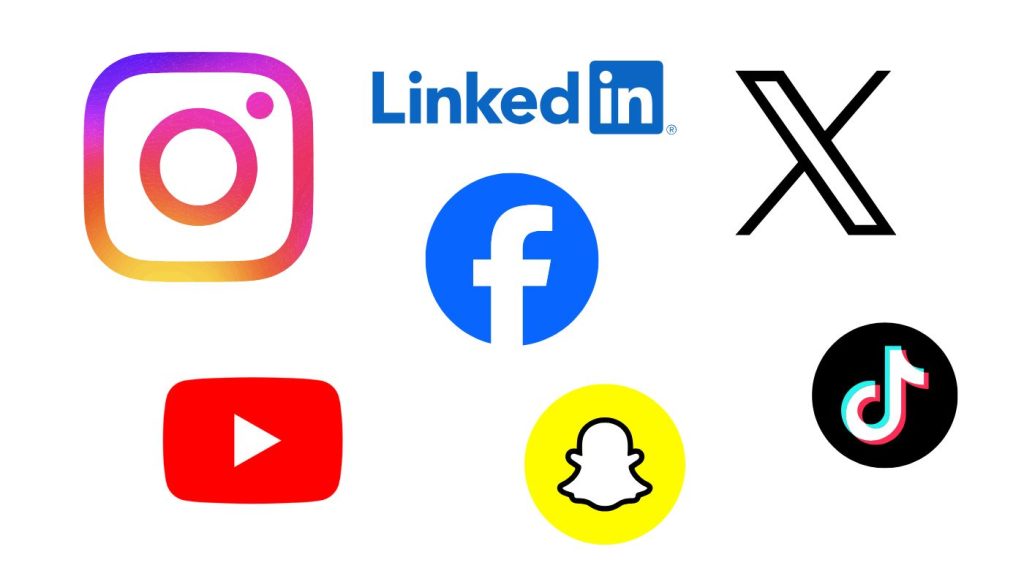
Here’s what most digital marketing agencies won’t tell you upfront: chasing every social media trend is a waste of your time and money. I’ve seen too many small business owners burn out trying to maintain a presence on Facebook, Instagram, LinkedIn, TikTok, X (formerly Twitter), Pinterest, and YouTube simultaneously. It’s exhausting, ineffective, and completely unnecessary.
The businesses that see real growth from social media focus their energy on one, maybe two platforms where their ideal customers actually spend time and engage. This focused approach allows you to create high-quality content consistently rather than mediocre content everywhere.
According to Sprout Social’s latest research, businesses that focus on platform-specific strategies see 3x higher engagement rates than those using a one-size-fits-all approach. That’s a massive difference in ROI.
Breaking Down the Major Platforms: Where Real Business Happens
Let’s examine which social media platform drives real business growth based on your specific business type, audience, and goals.
Facebook: The Established Powerhouse for Local Businesses
Despite what you might hear about Facebook being “dead,” it remains incredibly powerful for specific business types. With over 3 billion monthly active users, Facebook’s reach is unmatched, particularly for local businesses targeting customers aged 30-65.
Facebook drives real business growth when:
- You’re a local service business (restaurants, salons, home services, healthcare practices)
- Your target audience is 30+ years old
- You want to build a community around your brand
- You need robust advertising tools with detailed targeting options
- You rely on customer reviews and recommendations
I’ve personally managed social media for a therapy practice where we grew their Facebook following from 150 to over 800 engaged followers in less than a year. More importantly, this translated to actual client inquiries because we were reaching people in the local community who needed mental health services.
Facebook’s Business Suite provides exceptional tools for local businesses, including the ability to manage your Google Business Profile integration, schedule posts across Facebook and Instagram, and track detailed analytics. The platform’s advertising capabilities remain the most sophisticated and cost-effective for reaching specific demographics.
Hootsuite’s 2026 Social Media Trends Report confirms that Facebook continues to drive the highest conversion rates for local service businesses, with an average customer acquisition cost 40% lower than Instagram.
Instagram: Visual Storytelling That Converts
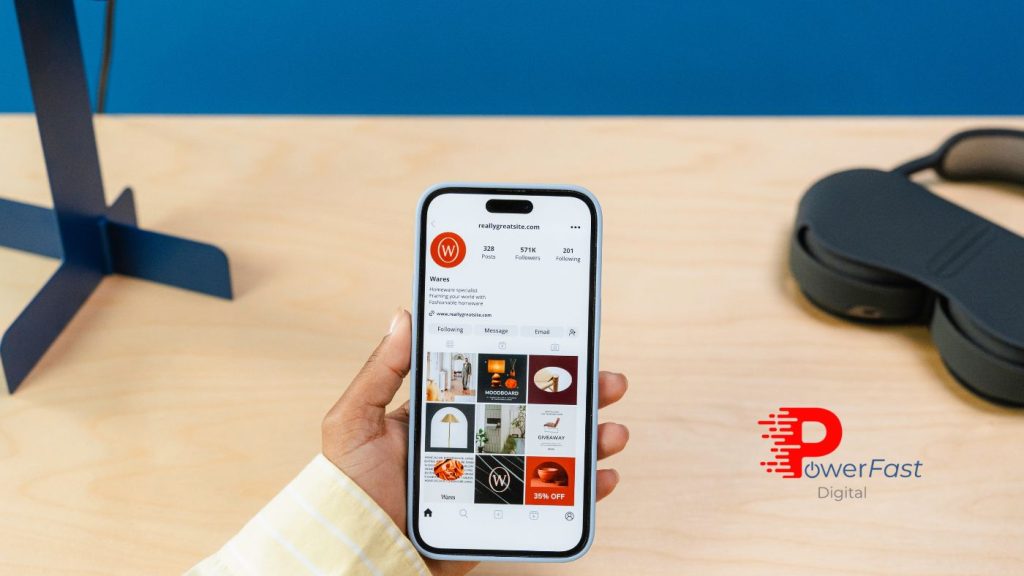
Instagram has evolved from a photo-sharing app into a comprehensive business platform. If your business relies on visual appeal and you’re targeting audiences under 45, Instagram deserves serious consideration.
Instagram drives real business growth when:
- Your products or services are highly visual (fashion, food, design, real estate, fitness)
- Your target audience is 18-45 years old
- You can create consistent, quality visual content
- You want to leverage influencer partnerships
- Your brand has a strong visual identity
Instagram’s strength lies in its ability to showcase your work in action. For businesses like photographers, interior designers, restaurants, or fitness coaches, Instagram provides an unmatched platform to demonstrate value before someone becomes a customer.
The platform’s shopping features have also matured significantly, allowing seamless e-commerce integration. According to Buffer’s State of Social Media report, 70% of shopping enthusiasts turn to Instagram for product discovery, making it invaluable for product-based businesses.
Instagram Stories and Reels offer incredible organic reach compared to standard posts. Businesses that consistently post Reels see up to 67% more engagement than those focusing solely on static posts. This video-first approach aligns perfectly with current content consumption trends.
LinkedIn: The B2B Revenue Generator
If you’re in the B2B space or offer professional services, LinkedIn isn’t just important—it’s essential. This platform consistently delivers the highest-quality leads for business-to-business companies.
LinkedIn drives real business growth when:
- You sell to other businesses (B2B services, consulting, software, professional services)
- Your average deal size is $5,000 or higher
- You want to establish thought leadership in your industry
- Your target audience includes decision-makers and executives
- You offer high-value professional services
LinkedIn’s professional context means people are in a business mindset when they’re on the platform. They’re not looking at vacation photos or funny videos—they’re thinking about work challenges and solutions.
I’ve seen professional service providers generate six-figure contracts directly from LinkedIn content marketing. The key is providing genuine value through articles, posts, and engagement rather than constant self-promotion.
LinkedIn’s algorithm favors meaningful engagement and expertise. Regular posting that demonstrates your knowledge and helps solve common industry problems builds authority that translates directly into business opportunities. The platform’s advertising tools also allow incredibly precise targeting based on job titles, company size, industry, and more.
TikTok: The Emerging Business Opportunity
TikTok has exploded beyond teenage dance videos into a legitimate business platform, particularly for reaching younger audiences and showcasing personality-driven brands.
TikTok drives real business growth when:
- Your target audience is 16-35 years old
- Your brand has personality and isn’t afraid to be authentic
- You can create engaging short-form video content
- You’re in retail, food service, beauty, fashion, or entertainment
- You want to capitalize on viral marketing potential
TikTok’s algorithm is uniquely democratic—even accounts with zero followers can reach millions of people if the content resonates. This organic reach potential is virtually nonexistent on other platforms at this point.
The platform rewards authenticity and entertainment value over polished production. Businesses that embrace a more casual, behind-the-scenes approach often perform better than those trying to maintain a corporate image.
According to Social Media Today’s analytics, TikTok users have the highest engagement rate per post of any platform, with an average engagement rate of 5.96% compared to Instagram’s 0.83% and Facebook’s 0.13%.
The 80/20 Rule for Social Media Success
Regardless of which social media platform drives real business growth for you, success comes down to following the 80/20 rule for content:
80% of your content should provide value:
- Educational posts that solve problems
- Behind-the-scenes content that builds connection
- User-generated content and testimonials
- Industry insights and trends
- Helpful tips and how-tos
20% of your content can be promotional:
- Service or product announcements
- Special offers and promotions
- Direct calls-to-action
- Sales-focused content
This ratio keeps your audience engaged while still moving them toward becoming customers. People follow businesses that enrich their feeds, not those that constantly sell to them.
How to Choose Your Platform: A Practical Framework
Stop guessing and use this framework to determine which social media platform drives real business growth for your specific situation:
Step 1: Know Your Audience Where do your ideal customers actually spend their time? Don’t guess—ask your current customers which platforms they use most frequently.
Step 2: Assess Your Content Capabilities Be honest about what content you can create consistently. If you hate being on camera, TikTok probably isn’t your answer. If you’re not a strong writer, LinkedIn might be challenging. Choose a platform that aligns with your natural strengths.
Step 3: Evaluate Your Business Model B2B? LinkedIn. E-commerce with visual products? Instagram. Local service business? Facebook. Young consumer audience? TikTok.
Step 4: Check Your Competition Where are your successful competitors most active? This provides valuable market validation. If none of your competitors are on a platform, that’s either a blue ocean opportunity or a sign your customers aren’t there.
Step 5: Commit to Consistency Pick ONE platform and commit to posting quality content at least 3-4 times per week for at least 90 days before evaluating results. Social media growth is a marathon, not a sprint.
Measuring What Actually Matters: Beyond Vanity Metrics
Follower counts and likes feel good, but they don’t pay the bills. To determine if your chosen platform is actually driving business growth, track these metrics:
Engagement Rate: Are people commenting, sharing, and clicking on your content? High engagement indicates your content resonates and your audience is paying attention.
Website Traffic: How many people are clicking through to your website from social media? Use UTM parameters to track this accurately in Google Analytics.
Lead Generation: How many inquiries, consultation requests, or contact form submissions originate from social media? This is where social media starts translating to revenue.
Conversion Rate: Of the people who visit your website from social media, how many become customers? This metric connects social media directly to revenue.
Customer Lifetime Value: Are customers acquired through social media as valuable as those from other channels? Sometimes lower-volume, higher-quality leads are better than high-volume, low-quality ones.
The Multi-Platform Trap and How to Avoid It
Here’s a common scenario: you see a competitor posting on Facebook, Instagram, and LinkedIn, so you feel like you need to do the same. This is a mistake unless you have a dedicated marketing team.
The reality is that one platform done exceptionally well will always outperform three platforms done mediocrely. Quality beats quantity every single time in social media marketing.
If you’re a solopreneur or small team, pick one platform and dominate it. Once you’ve built a system that runs smoothly and generates consistent results, then consider adding a second platform. But not before.
Creating a Content System That Actually Works
The biggest challenge with social media isn’t knowing which platform to use—it’s maintaining consistency. Here’s a simple system that works:
Content Batching: Dedicate one day per month to creating all your content. Take photos, write captions, develop ideas. This prevents the daily scramble for content.
Scheduling Tools: Use platforms like Buffer, Hootsuite, or Meta Business Suite to schedule posts in advance. This ensures consistency even during busy weeks.
Engagement Blocks: Set specific times (e.g., 15 minutes at 9am and 3pm) to respond to comments and engage with your audience. Don’t let social media become an all-day distraction.
Content Pillars: Identify 4-5 core topics you’ll rotate through. This provides structure while preventing repetitive content.
Repurposing Strategy: One piece of content can be reformatted for multiple uses. A blog post becomes social media posts. A webinar becomes short video clips. Work smarter, not harder.
The Bottom Line: Strategy Beats Platform Every Time
So which social media platform drives real business growth? The honest answer is: the one where your customers are, that matches your content strengths, and that you commit to using strategically and consistently.
For most local service businesses, that’s Facebook. For B2B companies, it’s LinkedIn. For visually-driven products and younger audiences, it’s Instagram. For reaching Gen Z with personality-driven content, it’s TikTok.
But here’s the most important takeaway: your success on social media has more to do with your strategy, consistency, and content quality than the platform itself.
I’ve seen businesses thrive on every platform when they approach it strategically. I’ve also seen businesses fail on every platform when they post inconsistently and without purpose.
Ready to Build a Social Media Strategy That Actually Drives Growth?
Choosing the right platform is just the beginning. Creating a comprehensive social media marketing strategy that aligns with your business goals, speaks to your target audience, and generates measurable ROI requires expertise and experience.
At PowerFast Digital, we help small businesses cut through the noise and build social media strategies that actually drive revenue. We don’t believe in one-size-fits-all approaches or spreading your efforts thin across every platform. Instead, we identify where your customers are, create a focused strategy, and help you execute consistently.
Schedule a complimentary strategy session to discuss which social media platform makes the most sense for your business and how to leverage it for maximum growth. You can also Message Us We’ll analyze your specific situation, identify opportunities, and provide actionable recommendations—whether you work with us or not.
Your social media presence should be a revenue-generating asset, not a time-consuming obligation. Let’s build a strategy that works for your business.